


A brief roundup of United Nations political and peacebuilding events and developments globally.
Deputy Special Envoy Cordone highlights accountability efforts and ongoing challenges in Syria
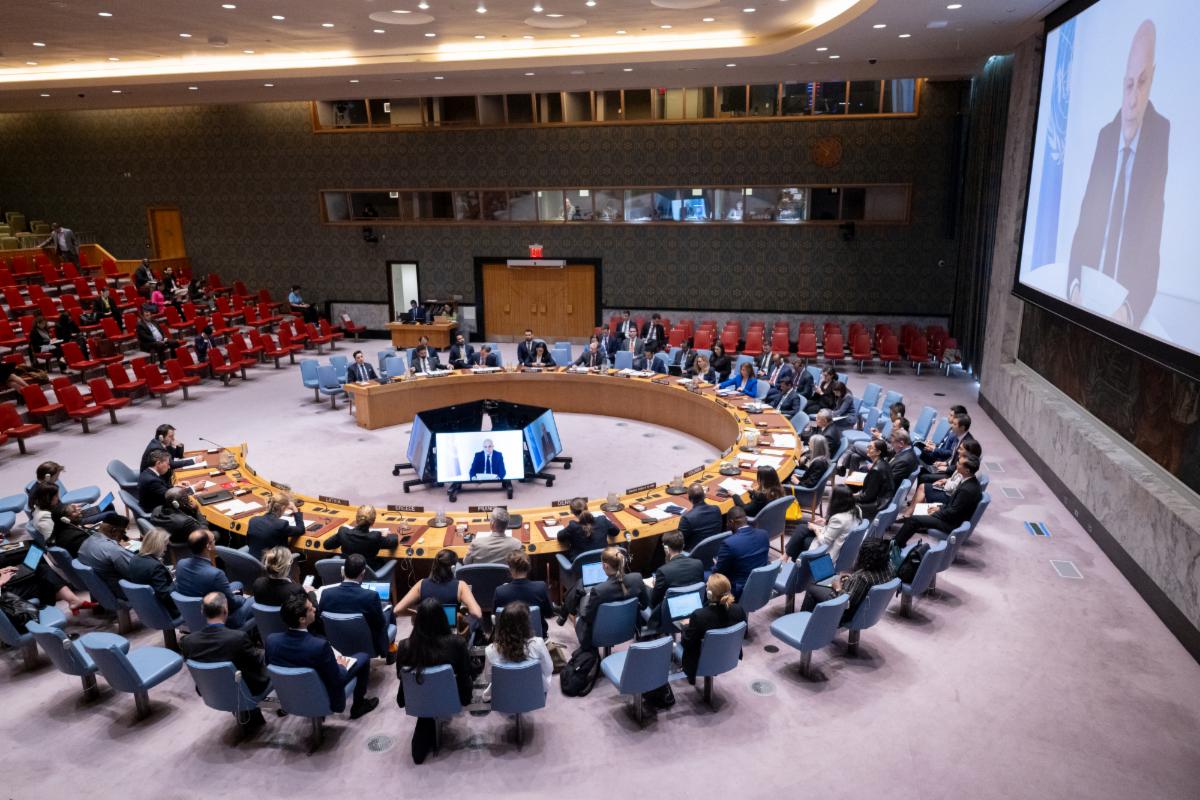
On 15 May, Claudio Cordone, Deputy Special Envoy of the Secretary-General (DSESG) for Syria, highlighted before the Security Council progress on accountability efforts in the country and sustained regional and international engagement. He warned, however, that unresolved tensions, economic hardship and violations of Syria’s sovereignty persist. DSESG Cordone listed developments related to the political transition, integration efforts in the northeast and returns to Afrin, while expressing concern over instability in Sweida, the continued presence and military activities of Israel Defense Forces east of the ceasefire line, terrorist attacks and worsening economic and humanitarian conditions.
Parties agree, under UN auspices, to release over 1,600 detainees in Yemen
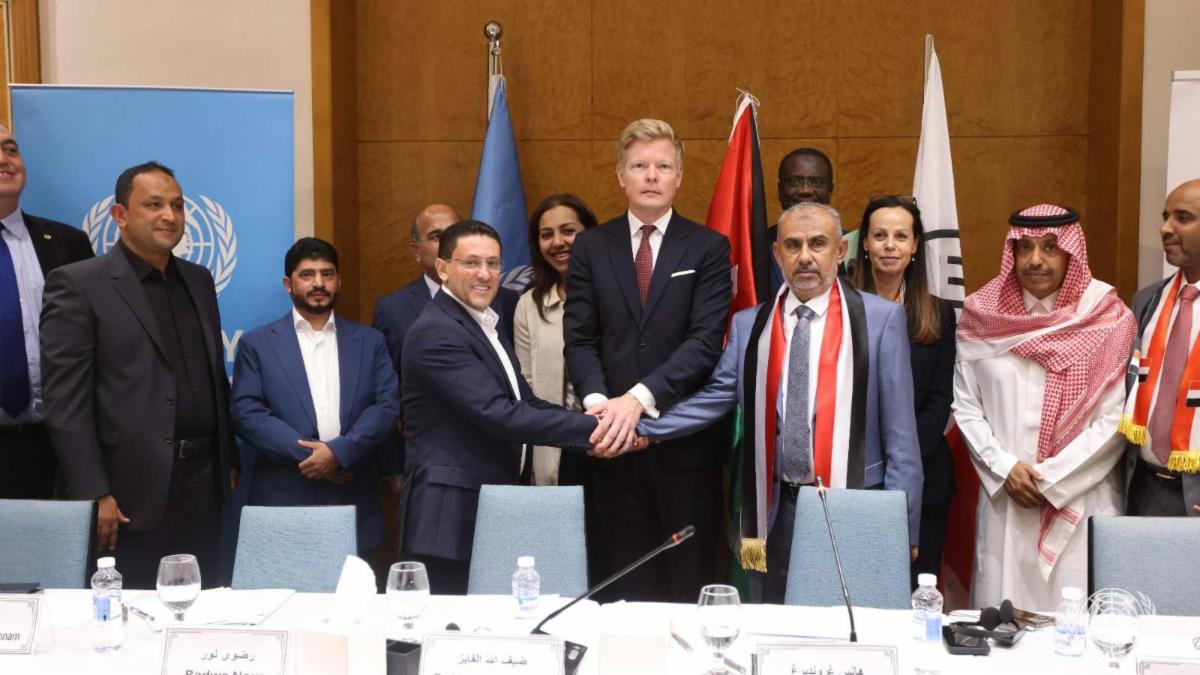
On 14 May, parties to the conflict in Yemen agreed to release more than 1,600 conflict-related detainees following 14 weeks of negotiations in Amman facilitated by the Office of the Special Envoy of the Secretary-General for Yemen and the International Committee of the Red Cross. The agreement marks the largest agreed release of conflict-related detainees since the start of the current conflict. Special Envoy Hans Grundberg described the agreement as “a clear demonstration of what sustained and determined negotiations can produce” and encouraged the parties to build on the outcome through additional releases and continued dialogue. He reiterated the United Nations call for the immediate release of arbitrarily detained UN, NGO, civil society and diplomatic personnel.
Personal Envoy Haavisto engages regional partners on Sudan peace efforts
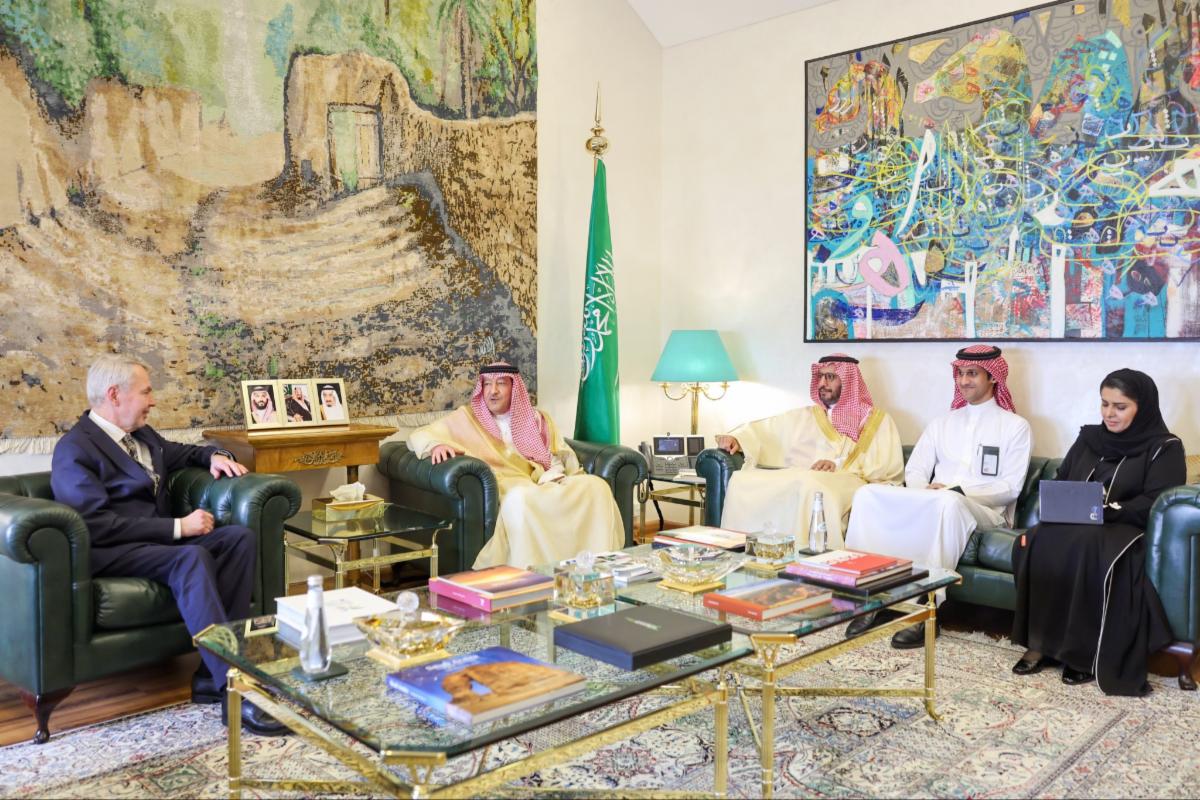
From 4 to 11 May, Pekka Haavisto, Personal Envoy of the Secretary-General (PESG) for Sudan, visited Doha, Abu Dhabi and Riyadh, where he held consultations with government officials, Sudanese civilian stakeholders and members of the diplomatic community. In his meetings, PESG Haavisto reiterated that there is no military solution to the conflict and underscored the urgent need for immediate de-escalation and confidence-building measures in support of peace efforts. He also stressed the importance of protecting civilians, ensuring humanitarian access and supporting a truce. The Personal Envoy emphasized the need for sustained international coordination, including with regional partners, the Quad (the United States, Saudi Arabia, the United Arab Emirates, and Egypt) and the Quintet (the African Union, Intergovernmental Authority on Development, League of Arab States, European Union and the United Nations), to advance a credible civilian-led political pathway and preserve Sudan’s unity.
Special Coordinator discusses cessation of hostilities and DC talks with Lebanese officials
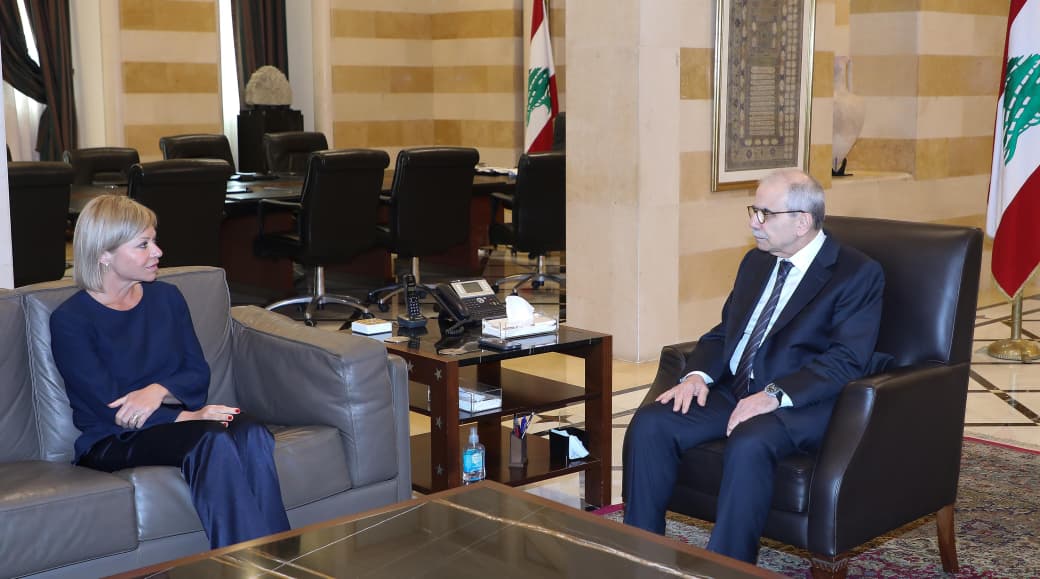
This week, Jeanine Hennis-Plasschaert, Special Coordinator of the Secretary-General for Lebanon, held meetings with Lebanese government officials and political leaders on the cessation of hostilities and efforts to consolidate stability in the country. In meetings with Prime Minister Nawaf Salam and other officials, discussions focused on opportunities to strengthen the cessation of hostilities arrangement, including in the context of talks between Lebanon and Israel held in Washington, D.C. Discussions with Lebanese Armed Forces Commander Rodolph Haykal highlighted the need for increased support to the Lebanese army as it operates in challenging conditions. The Special Coordinator also exchanged views on domestic and regional developments with Deputy Prime Minister Tarek Mitri and Lebanese Forces party leader Samir Geagea.
SRSG Imnadze participates in Asian Women’s Forum and Women Leaders’ Caucus meeting in Uzbekistan
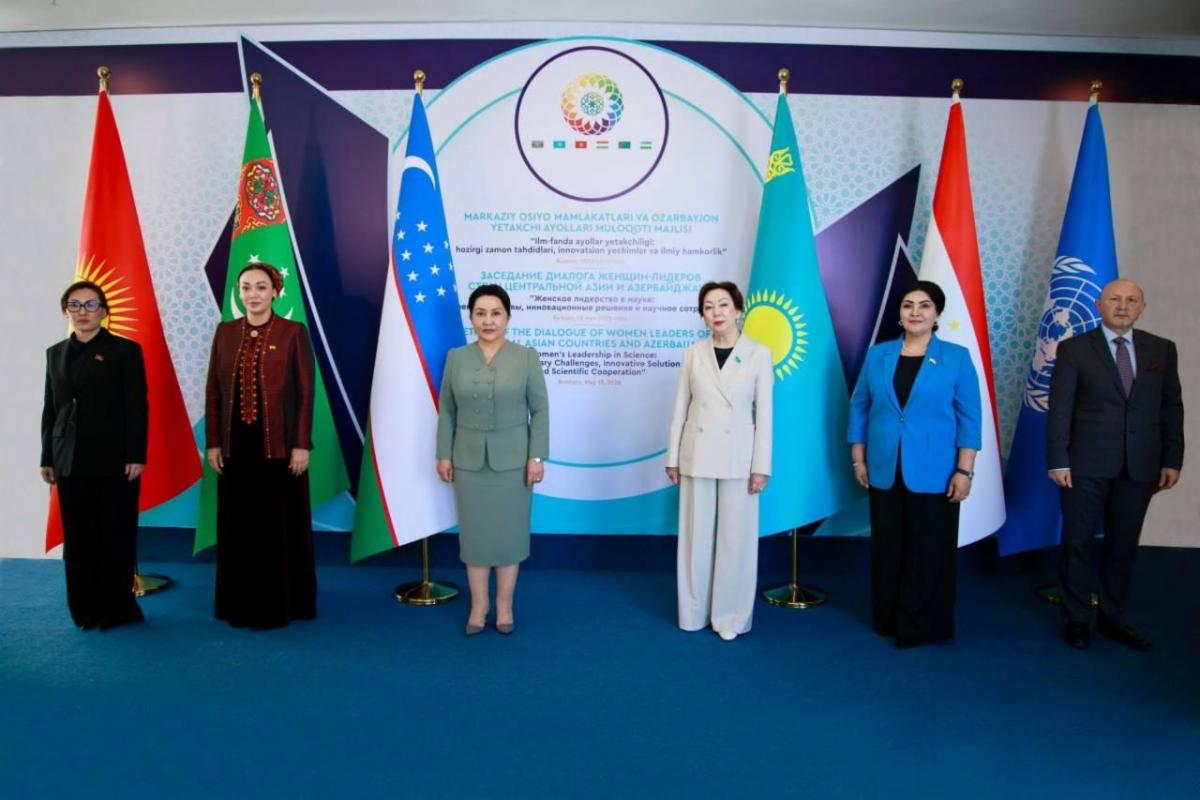
From 13 to 14 May, Kaha Imnadze, Special Representative of the Secretary-General (SRSG) and Head of the United Nations Regional Centre for Preventive Diplomacy for Central Asia (UNRCCA), visited Bukhara, Uzbekistan, to participate in the meeting of the Central Asian Women Leaders’ Caucus and the Second Asian Women’s Forum. In his remarks, Mr. Imnadze emphasized the importance of women’s leadership in science, innovation and technology for regional cooperation, institutional resilience and sustainable development. He also highlighted the role of the Central Asian Women Leaders’ Caucus in advancing peace, cooperation and development, and encouraged continued support for the Women, Peace and Security agenda in Central Asia. While in Bukhara, the SRSG met with Tanzila Narbaeva, Chairperson of the Senate of Uzbekistan, to discuss cooperation on regional dialogue, preventive diplomacy and the Women, Peace and Security agenda.
UNRCCA’s Preventive Diplomacy Academy explores emerging technologies in conflict prevention
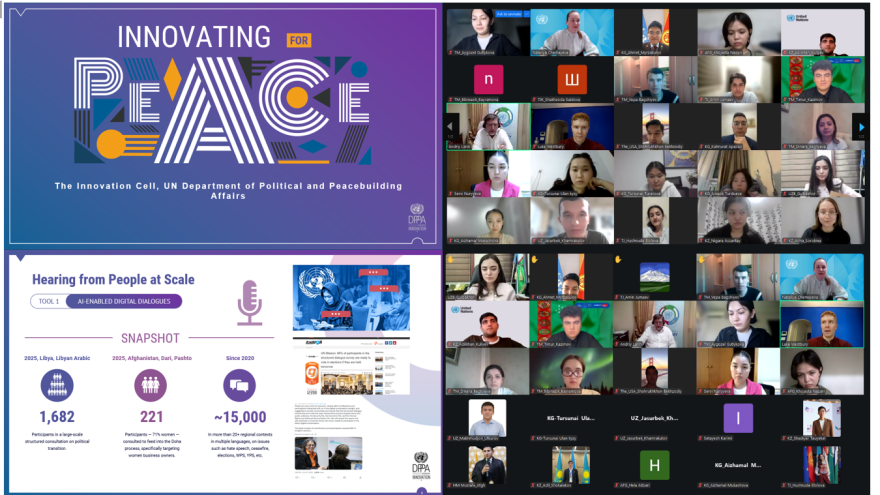
On 13 May, the UNRCCA Preventive Diplomacy Academy convened an online session for participants from Central Asia and Afghanistan on the role of emerging technologies in conflict prevention and early warning. Members of DPPA's Innovation Cell presented digital tools to support dialogue, political analysis and conflict monitoring, including Remesh, Diplomatic Pulse, GeoGuard and the Peace and Security Data Hub. Discussions addressed challenges related to AI-generated misinformation and emphasized the importance of human oversight to ensure analytical integrity, cultural sensitivity and neutrality. An interactive exercise using the Ramesh platform enabled participants to exchange perspectives on the use of AI in peacebuilding, while discussions also highlighted operational limitations, data sensitivities, local adaptation and the importance of cooperation with regional offices such as UNRCCA.
UNRCCA highlights Preventive Diplomacy and Regional Cooperation at International Conference
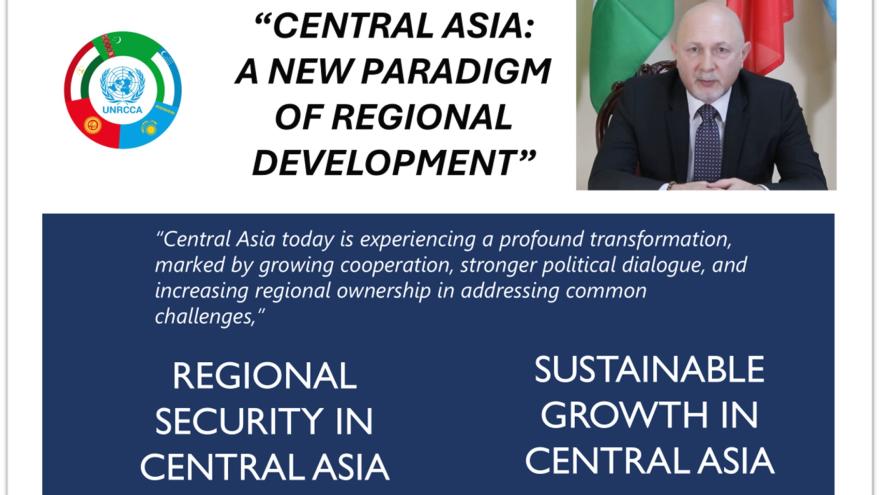
On 14 May, the UNRCCA participated in the international conference “Central Asia: A New Paradigm of Regional Development” in Tashkent, Uzbekistan, bringing together diplomats, academics and experts from Central Asia and Azerbaijan to discuss regional cooperation, security and sustainable development. In his remarks, SRSG Kaha Imnadze highlighted growing political dialogue, trust and regional ownership in addressing shared challenges across Central Asia. Discussions also underscored the importance of preventive diplomacy, confidence-building, cooperation on water and energy resources, and coordinated approaches to emerging threats and sustainable development. UNRCCA reaffirmed its commitment to strengthening regional dialogue, cooperation and collective responses to shared challenges across Central Asia.
Workshop on prevention of stigmatization in Colombia supports peace implementation
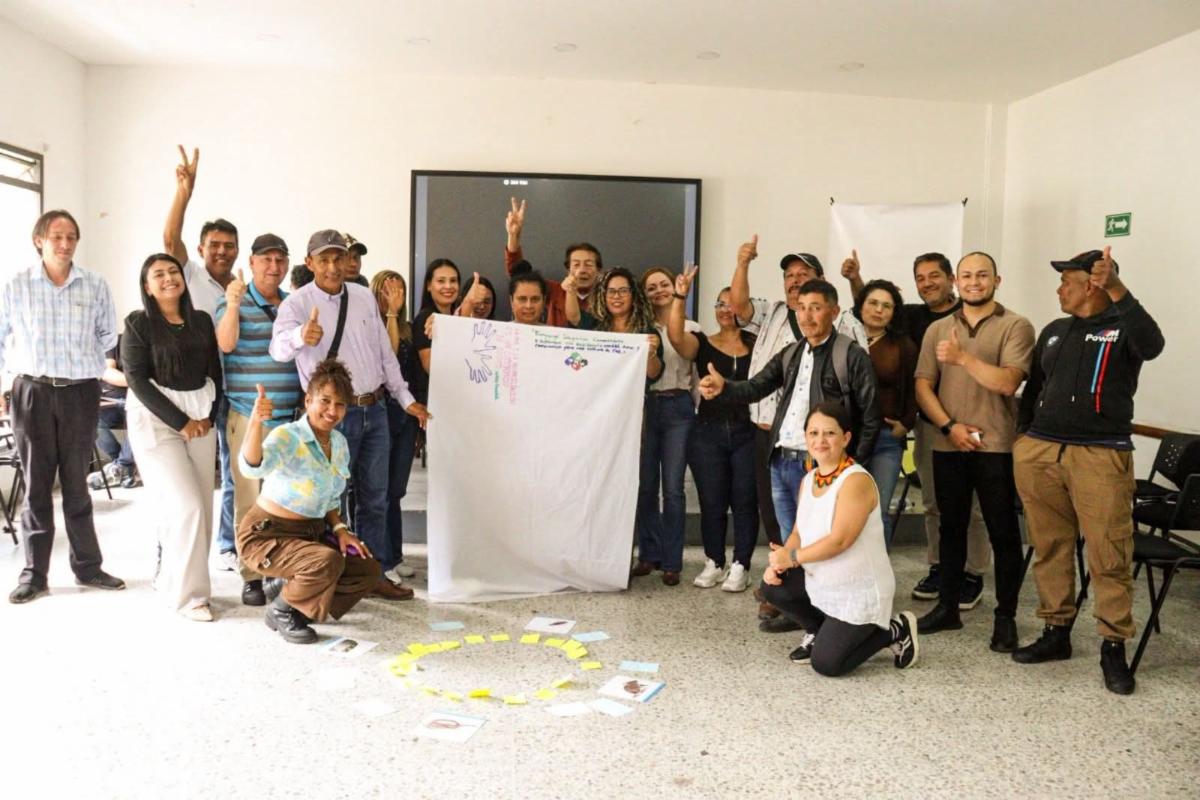
On 12 May, in Fusagasugá, Cundinamarca, the United Nations Verification Mission in Colombia participated in a workshop on the prevention of stigmatization led by the National Reintegration Agency (ARN), with the participation of municipal authorities, representatives of the Victims’ Roundtable and signatories to the Peace Agreement. As Fusagasugá hosts the largest proportion of peace signatories in Cundinamarca, the initiative contributes to the implementation of the Peace Agreement and the promotion and protection of civil and political rights.
Building sustainable reintegration through financial education in Cauca
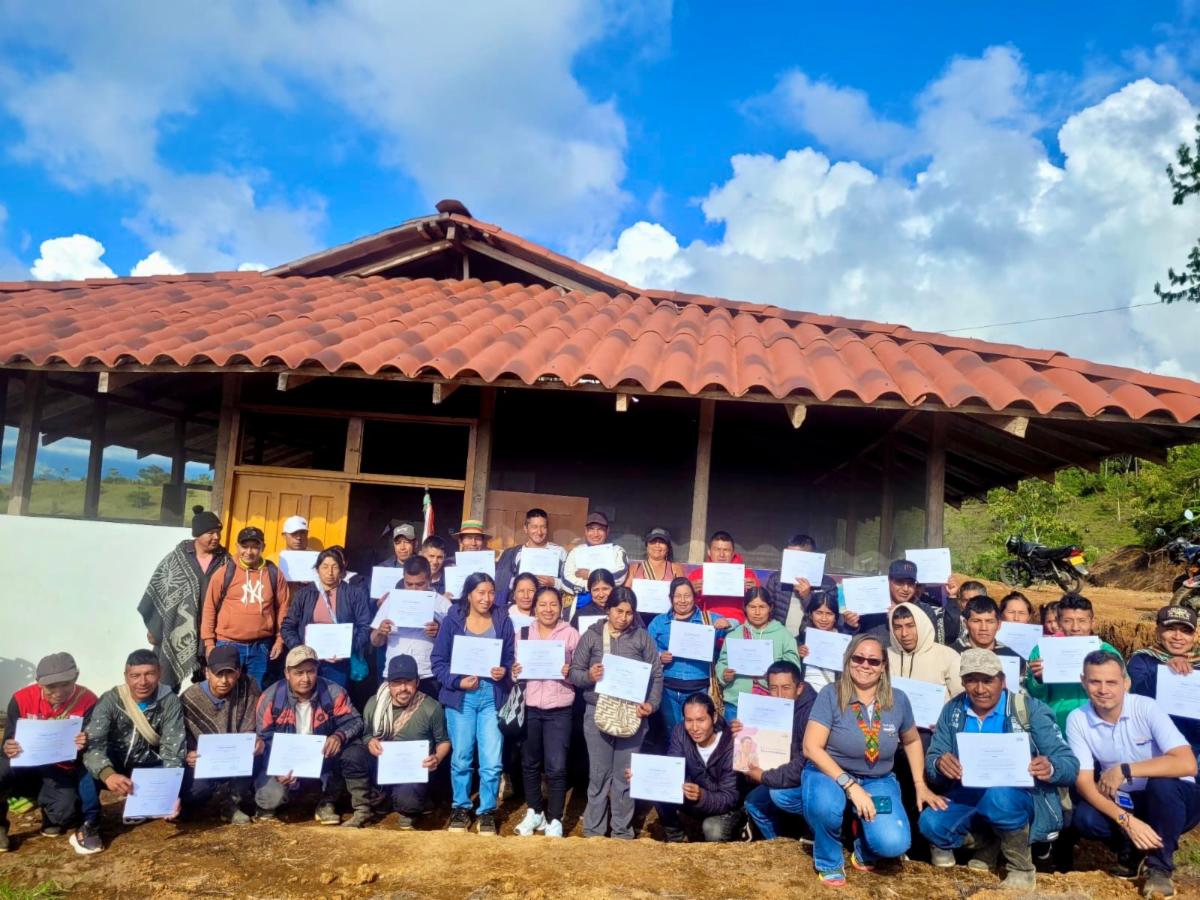
On 8 May, in Silvia, Cauca, the United Nations Verification Mission in Colombia supported a financial education workshop for peace signatories and members of cooperatives from Tumburao, La Gaitana and Quichaya. Led by Fundación WWB Colombia in coordination with the National Reintegration Agency (ARN), the initiative provided practical tools on savings, debt management and household budgeting to strengthen financial autonomy and long-term sustainability. The workshop highlighted the importance of economic inclusion and cooperative strengthening as part of the reintegration process under the Final Peace Agreement.
UN report highlights continuing human rights concerns in Afghanistan
A new update on the human rights situation in Afghanistan covering January to March 2026 based on monitoring by the United Nations Assistance Mission in Afghanistan (UNAMA) Human Rights Service highlights continuing human rights concerns, including restrictions affecting women and girls, arbitrary arrests and detentions, and incidents affecting freedom of expression. The report documents the continued implementation of policies restricting the rights of women and girls, including access to education, employment and public life. It also notes cases involving media workers, former government officials and members of civil society, as well as concerns related to due process and detention conditions.
Next Week
The Security Council will hold an open debate on the protection of civilians in armed conflict on 20 May. On 21 May, members will convene for a briefing on the Middle East.


