

A brief roundup of United Nations-related political and peacebuilding events and developments globally.
USG DiCarlo concludes visit to Kabul
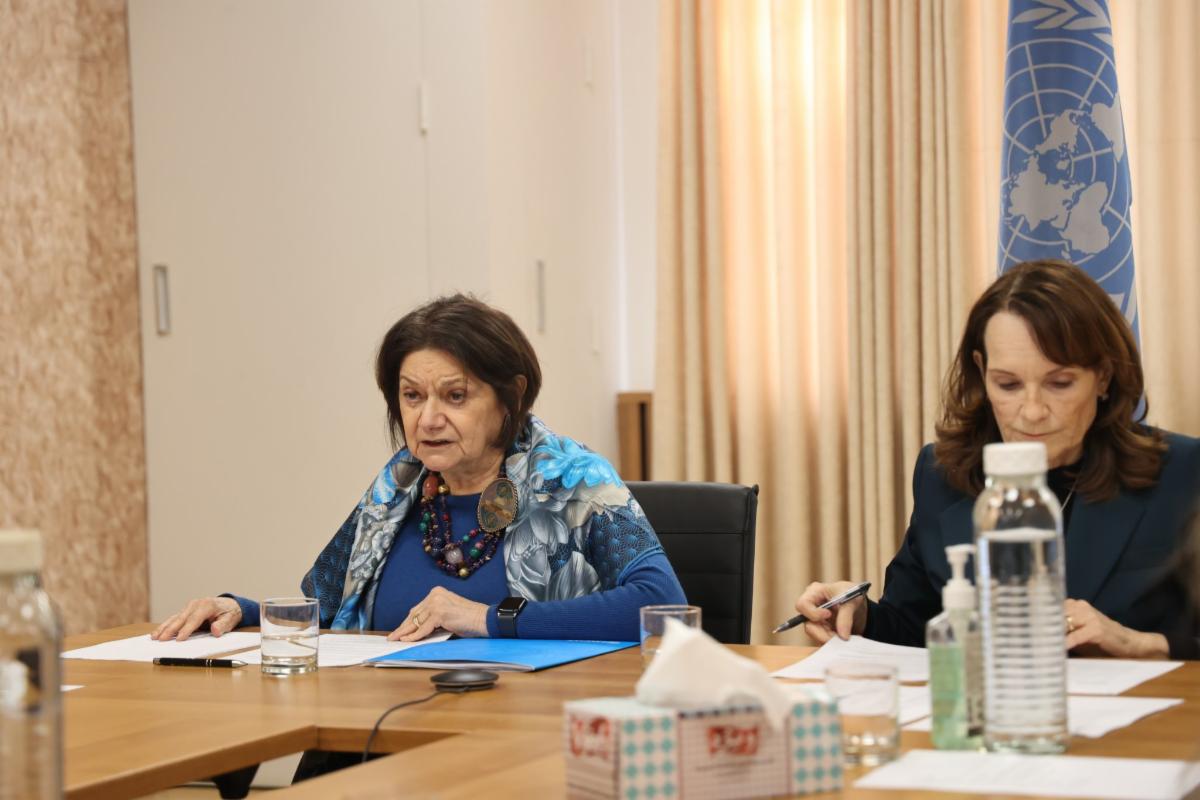
On 25 January, Under-Secretary-General (USG) for Peacebuilding and Political Affairs Rosemary DiCarlo concluded a visit to Kabul, where she met with the de facto authorities, members of the diplomatic community, Afghan women, civil society representatives and Afghan national female UN personnel. In her meetings, facilitated by the United Nations Assistance Mission in Afghanistan (UNAMA), USG DiCarlo raised concerns over restrictions affecting female UN staff, as well as broader limitations on women’s access to work, education and public life, urging their immediate lifting. She encouraged the de facto authorities to engage fully in the Doha Process, a UN-facilitated multilateral framework designed to coordinate international engagement with Afghanistan, and address international obligations related to Afghanistan’s reintegration into the international community. She also underscored the importance of unimpeded cross-border humanitarian assistance.
Special Coordinator Alakbarov briefs on Gaza, West Bank and regional tensions
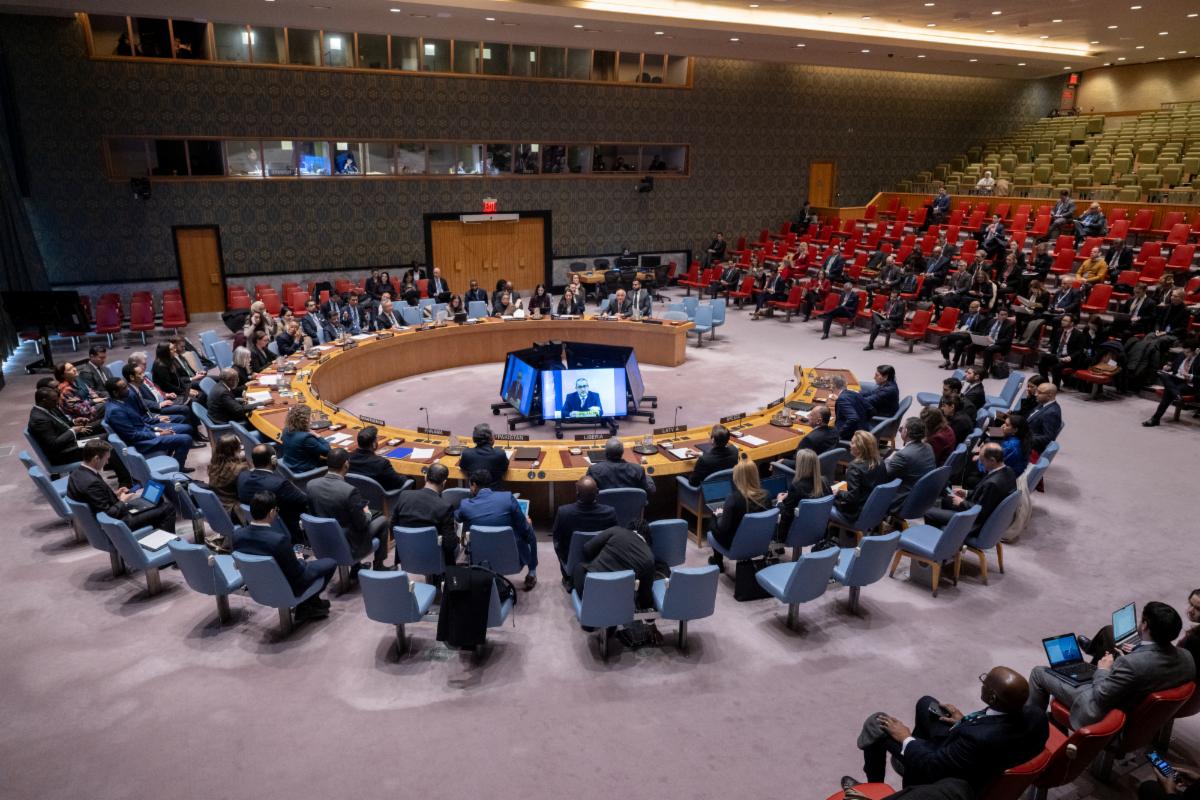
On 28 January, Deputy Special Coordinator of the Secretary-General for the Middle East Peace Process Ramiz Alakbarov briefed the Security Council, highlighting a potential turning point for Gaza, while cautioning that significant uncertainties remain. He welcomed the announced start of the second phase of the President Trump’ 20-point Comprehensive Plan, describing it as a critical step in consolidating the ceasefire in Gaza, and said he was encouraged by Israel’s announcement to reopen the Rafah crossing for pedestrian movement in both directions. He warned that heavy rainfall and cold temperatures have exacerbated the suffering of approximately 1.5 million displaced Palestinians in Gaza, stressing that transitional shelter sites must be voluntary, dignified and aligned with humanitarian principles. He also drew attention to ongoing violence in the West Bank, including intensified Israeli military operations, settlement expansion, settler violence, demolitions and large-scale detentions. He warned that these steps are further undermining the prospects for peace and the establishment of a two-state solution.
Security Council extends BINUH mandate for one year; UNMHA mandate for final period of two months
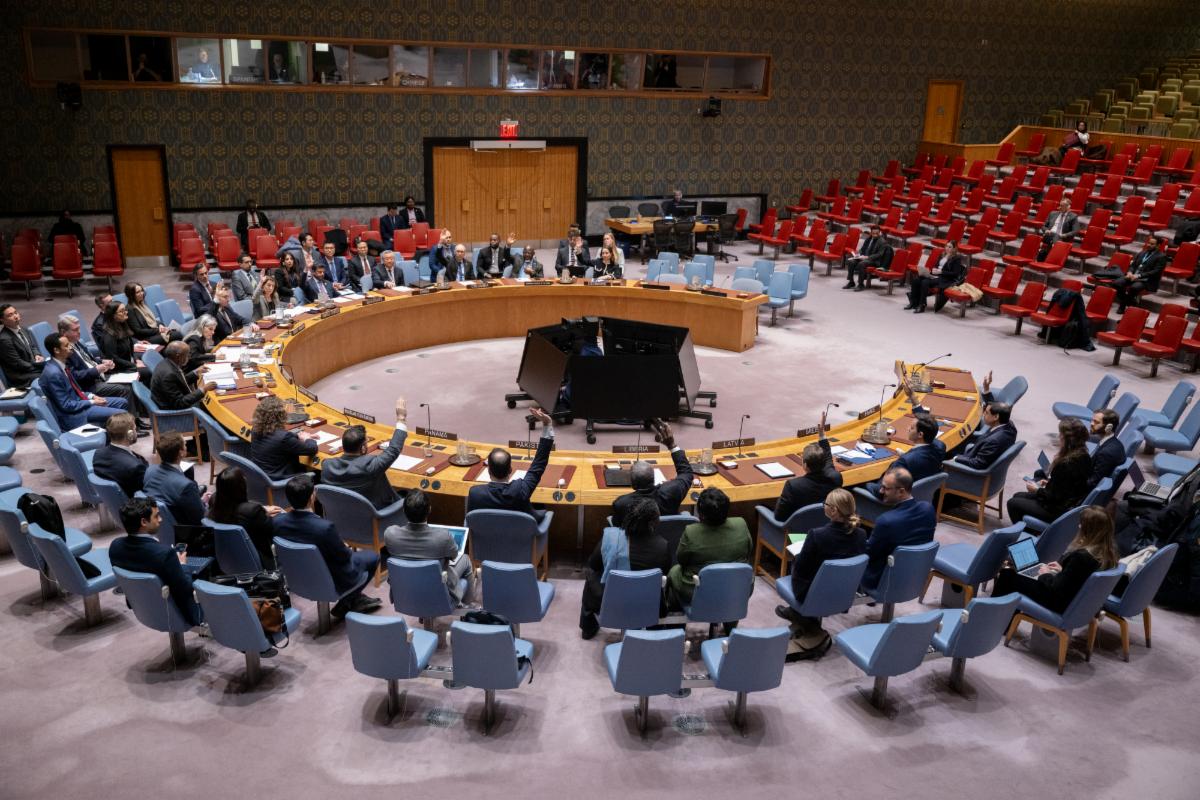
On 30 January, the Security Council unanimously extended the mandate of the United Nations Integrated Office in Haiti (BINUH) until 31 January 2027. The revised mandate focuses on six key tasks aimed at supporting political stability and governance in Haiti, including facilitating inter-Haitian national dialogue, providing electoral assistance, and supporting efforts to reduce community violence and strengthen the rule of law. Separately, the Council decided on 28 January to extend the mandate of the United Nations Mission to support the Hudaydah Agreement (UNMHA) for a final period of two months until 31 March 2026, enabling a transition of the Mission’s core functions to the Office of the Special Envoy of the Secretary-General for Yemen.
Peacebuilding Commission elects Morocco as new Chair
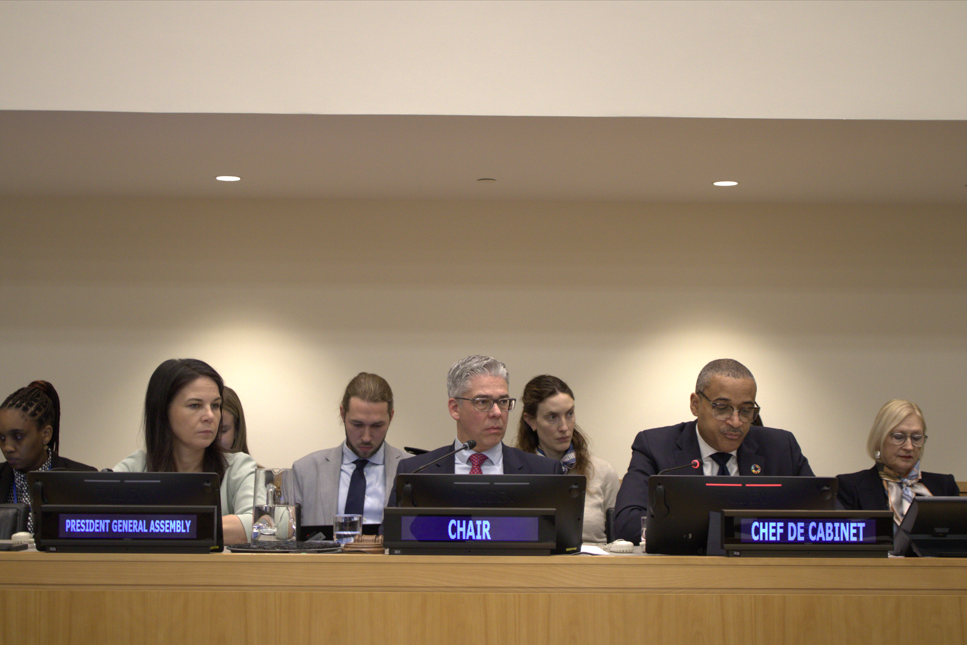
On 29 January, the Peacebuilding Commission (PBC) adopted the report on its 19th session and elected Morocco as Chair of the Commission of the 20th session. The President of the General Assembly, Annalena Baerbock, briefed the Commission, underscoring the importance of stronger GA–PBC cooperation, alignment with the UN80 reform agenda to enhance peacebuilding financing and impact, and of ensuring inclusion in all efforts. Delivering remarks on behalf of the Secretary-General, Chef de Cabinet Courtenay Rattray emphasized the importance of prevention, renewed multilateral cooperation, and support for nationally led priorities. Member States congratulated Morocco on election as Chair and recommended the Commission prioritize implementation of the recently adopted resolutions on the review of the Peacebuilding Architecture.
Personal Envoy Holguín hosts first meeting of 2026 between Cypriot leaders
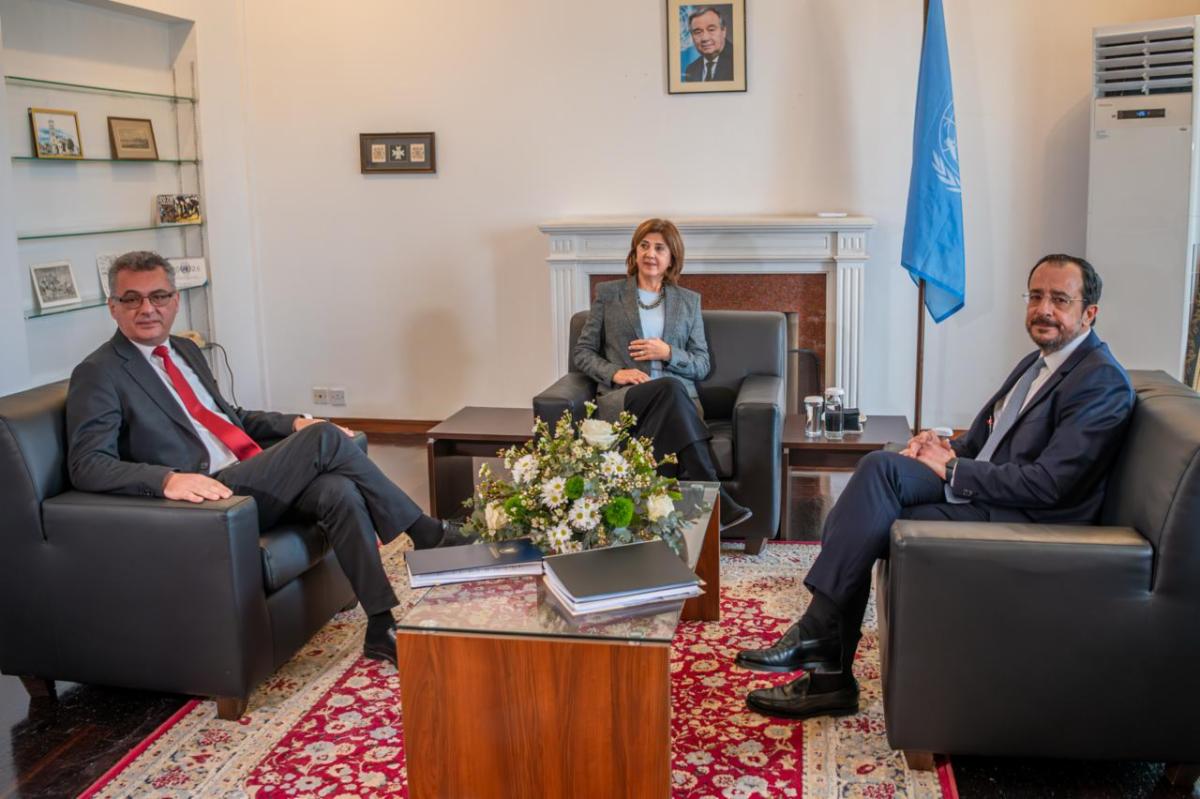
On 28 January, the Personal Envoy of the Secretary-General on Cyprus, María Ángela Holguín Cuéllar, hosted a meeting between Greek Cypriot leader Nikos Christodoulides and Turkish Cypriot leader Tufan Erhürman in the United Nations Protected Area in Nicosia. The leaders exchanged proposals aimed at charting a path toward substantive negotiations on the long-standing Cyprus issue and reaffirmed their commitment to advancing confidence-building measures as part of a pre-negotiation phase. The Personal Envoy encouraged continued engagement towards resuming meaningful talks.
Special Coordinator Hennis-Plasschaert holds meetings on resolution 1701
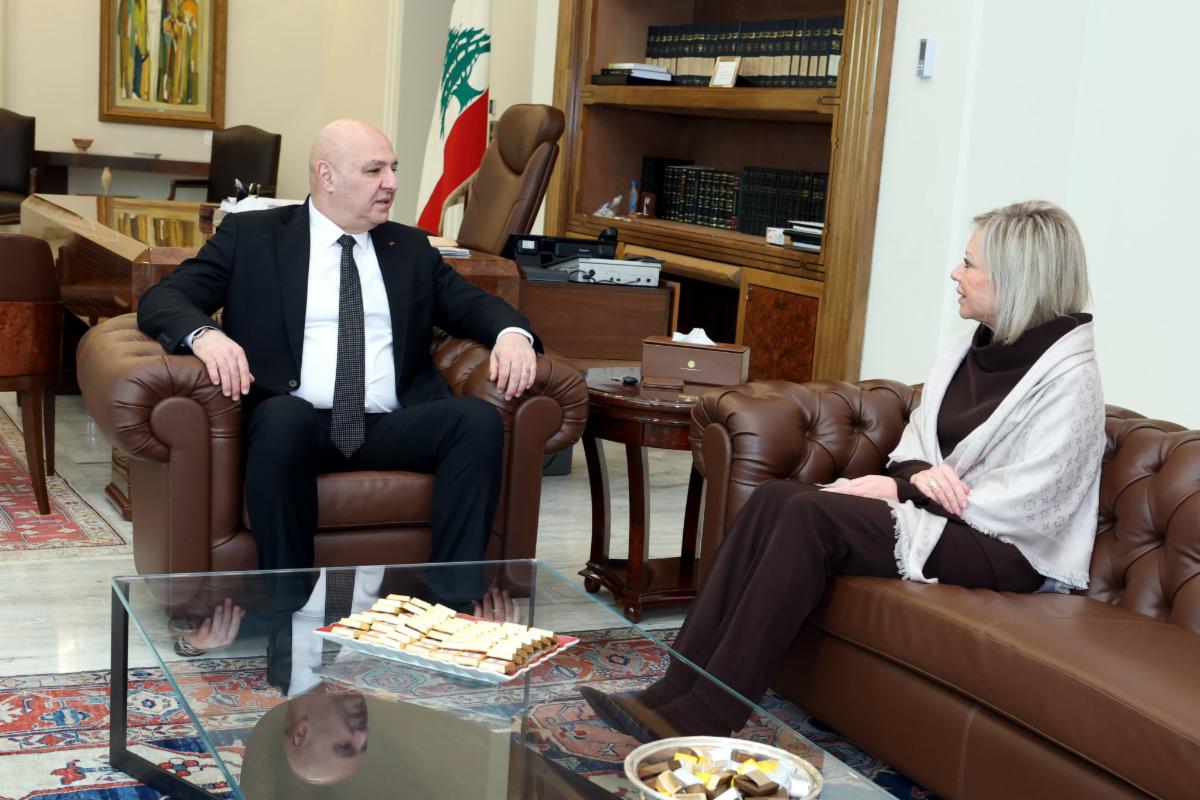
This week, Special Coordinator of the Secretary-General for Lebanon Jeanine Hennis-Plasschaert held a round of meetings with Lebanese leaders and officials related to the implementation of Security Council resolution 1701 and the November 2024 cessation of hostilities arrangement. With President Joseph Aoun, the Special Coordinator addressed recent developments and efforts to reinforce Lebanon’s security and stability. The Special Coordinator also met with Minister of Defense Michel Menassa and the Lebanese Armed Forces Commander Gen. Rodolph Haykal to discuss progress in the implementation of resolution 1701, as well as international and domestic initiatives to enhance the capabilities of the Lebanese army and the wellbeing of its personnel.
Colombia: Accompanying Indigenous communities in Chocó
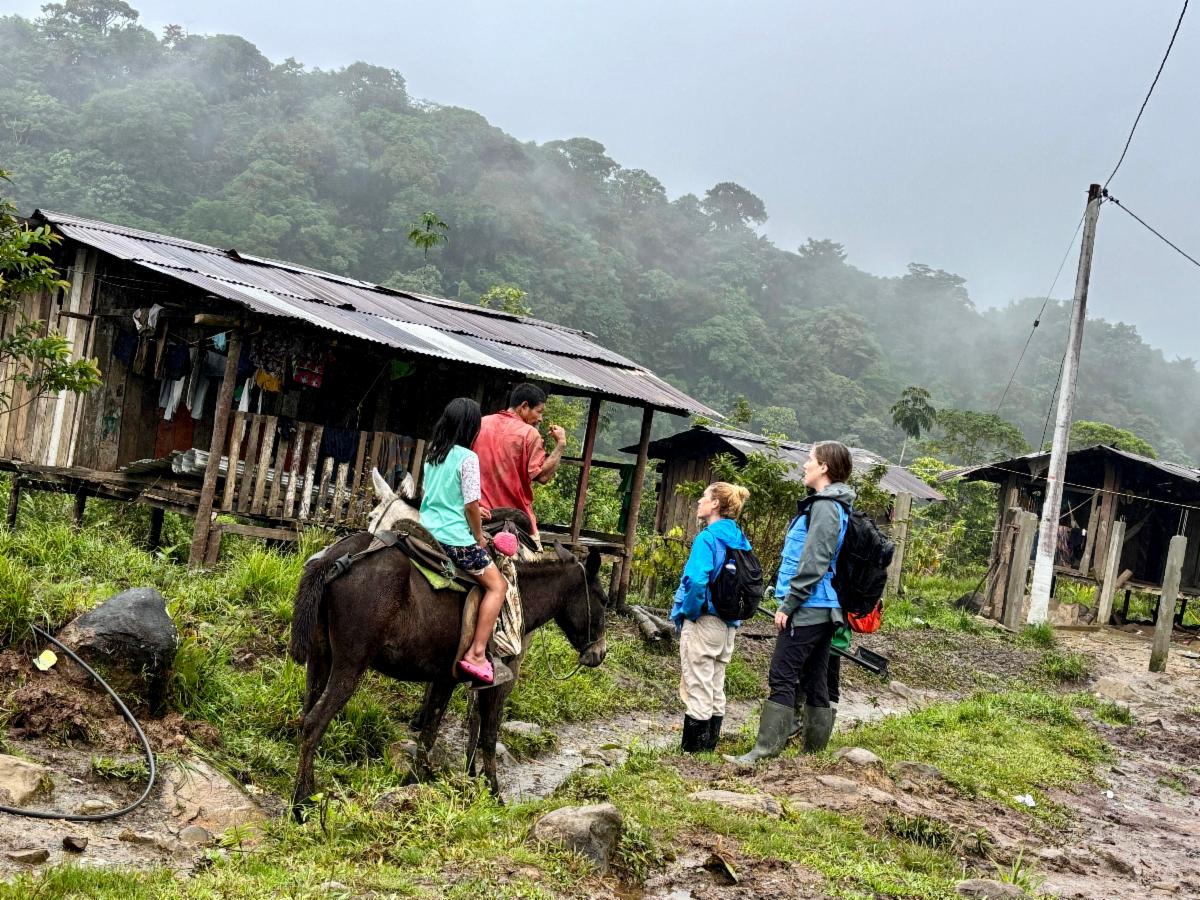
On 25 January, following a three-hour walk from El Carmen de Atrato, the United Nations Verification Mission in Colombia (UNVMC) reached the “La Puria” Indigenous Reserve in the Chocó department to follow up on security guarantees. The visit reflects the Mission’s commitment to accompanying communities in remote areas, where implementation of the Final Peace Agreement remains both challenging and essential. Through direct engagement with Indigenous authorities and community members, the Mission advanced its verification and accompaniment mandate, reinforcing trust and supporting local efforts to ensure safety and protect collective rights in territories most affected by the conflict.
Technology and partnerships strengthen economic reintegration
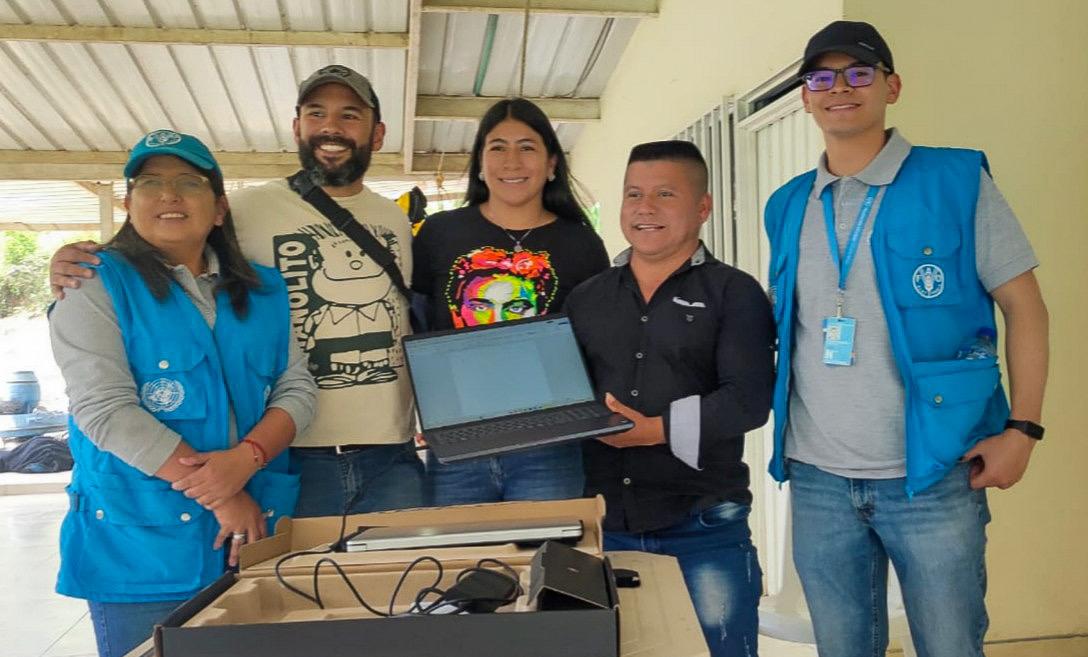
From 25 to 28 January, the UNVMC, together with the Food and Agriculture Organization (FAO) and Colombia’s Agency for Reintegration and Normalization (ARN), conducted follow-up visits to productive initiatives led by cooperatives of former combatants in Patía, Argelia and Santander de Quilichao, in the Cauca department. The visits focused on supporting locally driven economic reintegration efforts and strengthening coordination with institutional partners in the territories. As part of the joint engagement, FAO delivered computer equipment to enhance the cooperatives’ administrative and accounting capacities. The activities also enabled partners to assess progress under the sustainability strategy, identify remaining challenges, and reinforce pathways toward stable livelihoods and long-term territorial reintegration.
France contributes to DPPA’s Multi-Year Appeal
This week, DPPA thanks the Government of France for its contribution of $465,800 to the Department’s Multi-Year Appeal (MYA). The MYA is DPPA’s voluntary funding mechanism, enabling flexible, rapid support for preventive diplomacy, mediation and other core priorities.
Next Week
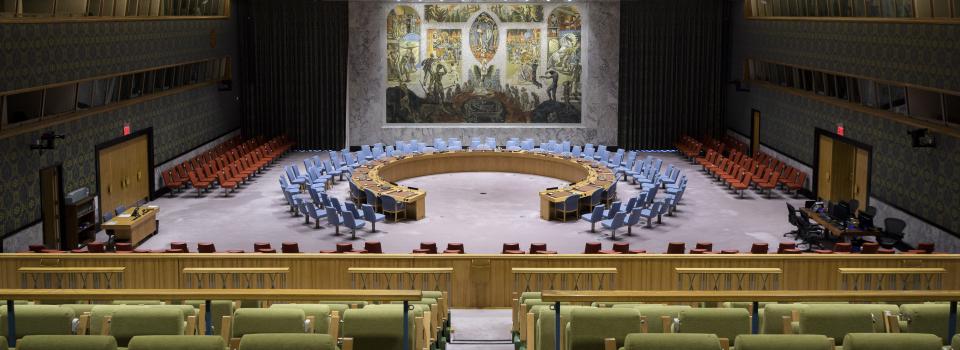
The United Kingdom takes on the Presidency of the Security Council for February.


